
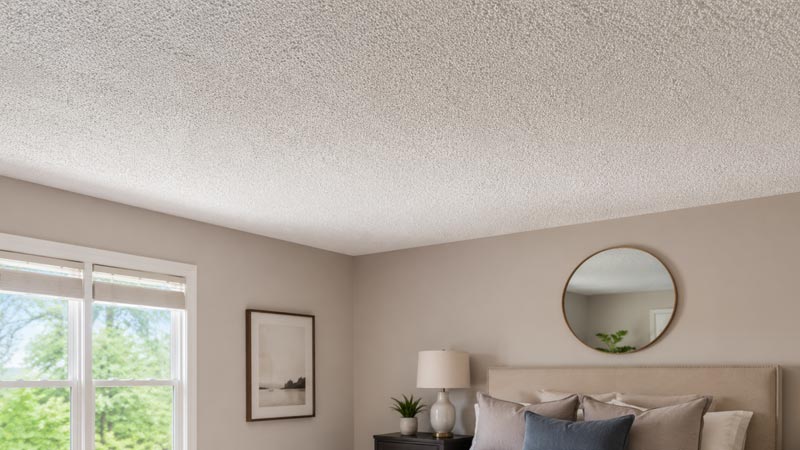
Popcorn ceilings were once one of the most common ceiling finishes in homes across Canada. Also known as textured ceilings, stipple ceilings, acoustic ceilings, or cottage cheese ceilings, this finish was popular because it helped hide drywall imperfections, reduced sound transfer, and was quick to apply during construction.
Today, many homeowners see popcorn ceilings differently. They can make a home feel dated, collect dust, cast shadows, and make rooms look darker or smaller than they really are. For homeowners planning a renovation, removing popcorn ceiling texture is one of the most effective ways to modernize the appearance of a room.
However, popcorn ceiling removal is not always as simple as scraping the texture away. Depending on the age of the home, the ceiling material, the paint finish, and the condition of the drywall underneath, removal can range from a straightforward renovation task to a project that requires professional testing, containment, repair, and refinishing.
This guide explains what popcorn ceiling removal involves, when it should be handled by professionals, what homeowners should know before starting, and why proper preparation is the key to a clean, safe, and attractive result.
What Is a Popcorn Ceiling?
A popcorn ceiling is a textured ceiling finish that creates a raised, bumpy surface. The texture was often sprayed onto drywall after the ceiling boards were installed and taped. The result was a rough, uneven finish that helped hide seams, small drywall flaws, and surface imperfections.
Popcorn ceilings were especially popular from the 1950s through the 1980s, although some homes continued to use textured ceiling finishes beyond that period. In many older homes, the texture may have been painted several times, repaired in patches, or covered with additional materials over the years.
Common names for popcorn ceilings include:
- Textured ceilings
- Stipple ceilings
- Acoustic ceilings
- Cottage cheese ceilings
- Spray texture ceilings
- Stucco ceilings
While the finish served a practical purpose at the time, many modern homeowners prefer flat, smooth ceilings because they create a cleaner and more updated look.
Why Homeowners Remove Popcorn Ceilings
Popcorn ceiling removal is popular because it can dramatically improve the appearance of a home without changing the layout of the space. A smooth ceiling makes rooms feel brighter, cleaner, and more modern.
Some of the most common reasons homeowners remove popcorn ceilings include:
- Modern appearance: Smooth ceilings are more consistent with today’s interior design standards.
- Better lighting: Textured ceilings create shadows, while smooth ceilings reflect light more evenly.
- Cleaner surfaces: Popcorn texture can trap dust, cobwebs, smoke residue, and household debris.
- Improved resale appeal: Many buyers see popcorn ceilings as outdated and may view removal as a future renovation cost.
- Better paint finish: Smooth ceilings are easier to prime, paint, and maintain.
- Renovation consistency: Removing ceiling texture can help tie together kitchen, bathroom, basement, and full-home renovations.
For homeowners already updating flooring, cabinets, lighting, paint, or trim, removing popcorn ceilings can complete the transformation and give the home a more finished look.
Is Popcorn Ceiling Removal Worth It?
In many cases, yes. Removing popcorn ceiling texture can be a worthwhile upgrade, especially in main living areas, kitchens, hallways, bedrooms, basements, and open-concept spaces.
A smooth ceiling can make a home look newer and better maintained. It can also help a renovation feel more complete. For example, installing modern pot lights, new flooring, fresh paint, or a new kitchen can look unfinished if the old textured ceiling remains above it.
Popcorn ceiling removal is especially worth considering when:
- You are planning a full interior renovation
- You want to modernize an older home
- The ceiling texture is stained, damaged, or uneven
- You are preparing the home for sale
- You are installing new lighting
- You want a brighter and cleaner interior finish
That said, the project should be planned carefully. If the ceiling may contain asbestos, or if the texture has been painted many times, professional assessment is strongly recommended before any removal work begins.
The Most Important Step: Testing Before Removal
Before disturbing any popcorn ceiling in an older home, homeowners should consider whether the texture may contain asbestos. Asbestos was used in some older building materials, including certain ceiling textures, drywall compounds, insulation products, flooring materials, and other renovation materials.
The risk is not usually from a ceiling that is intact and left undisturbed. The concern comes when the material is scraped, sanded, drilled, cut, broken, or otherwise disturbed. These actions can release harmful fibres into the air if asbestos is present.
For homes built before 1990, it is wise to have the ceiling material professionally tested before removal. Testing typically involves collecting small samples and sending them to a qualified laboratory. This step helps determine whether the material can be removed through standard renovation methods or whether asbestos abatement procedures are required.
Homeowners should not assume a ceiling is safe based only on appearance. Popcorn texture with asbestos can look similar to popcorn texture without asbestos. The only reliable way to confirm is through proper testing.
Why DIY Popcorn Ceiling Removal Can Be Risky
There are many online videos showing homeowners scraping popcorn ceilings themselves. While some newer ceilings may be safe to remove with proper preparation, older ceilings require caution.
DIY removal can create several problems:
- Possible asbestos exposure if the material has not been tested
- Dust spreading throughout the home
- Damage to drywall paper
- Uneven scraping marks
- Poor ceiling finish after removal
- Water damage from over-soaking the texture
- Paint peeling or bonding issues
- Messy cleanup and disposal
The scraping itself is only one part of the project. The ceiling usually needs to be repaired, skim coated, sanded, primed, and painted after the texture is removed. Without proper finishing, the ceiling can look wavy, scratched, patched, or uneven under natural and artificial light.
Professional Popcorn Ceiling Removal Process
A professional popcorn ceiling removal project follows a careful process designed to protect the home, control dust, and create a smooth finished surface.
1. Initial Inspection
The first step is to inspect the ceiling and surrounding area. This includes reviewing the age of the home, the condition of the ceiling, previous paint layers, water stains, cracks, repairs, and any signs of damage.
A professional will look for factors that can affect the removal process, including:
- The approximate age of the home
- Whether the texture has been painted
- The thickness of the ceiling texture
- Existing cracks or drywall damage
- Water staining or ceiling leaks
- The size and layout of the work area
- Ventilation and access points
This inspection helps determine the safest and most effective removal plan.
2. Asbestos Testing When Required
If the home is older or the ceiling material is unknown, testing should be completed before the texture is disturbed. This is an important safety step and should never be skipped in homes where asbestos may be present.
If asbestos is found, the project must be handled differently. A qualified asbestos abatement contractor may be required to remove or manage the material using approved containment, protective equipment, disposal procedures, and air safety controls.
If asbestos is not found, the renovation team can move forward with standard popcorn ceiling removal methods.
3. Room Preparation and Protection
Popcorn ceiling removal can be messy, so preparation is critical. The room should be cleared as much as possible. Furniture, flooring, walls, cabinets, fixtures, vents, and electrical features need to be protected.
Preparation may include:
- Removing or covering furniture
- Protecting flooring with drop sheets or plastic
- Masking walls, doors, and trim
- Covering vents and openings
- Removing light fixtures where needed
- Protecting cabinets and built-ins
- Setting up dust control measures
Good preparation helps prevent dust and debris from spreading into other areas of the home.
4. Texture Softening and Removal
Depending on the ceiling type, the texture may be lightly softened before scraping. This can help loosen the material and reduce dust. However, too much moisture can damage the drywall underneath, especially if the ceiling has not been properly sealed or if the drywall paper is vulnerable.
Painted popcorn ceilings can be more difficult to remove because the paint creates a barrier that prevents moisture from penetrating the texture. In these cases, removal may require more labour, specialized tools, or alternative finishing options.
The goal is to remove the texture without damaging the drywall surface underneath.
5. Ceiling Repair
After the popcorn texture is removed, the ceiling surface often reveals imperfections that were hidden by the texture. This can include drywall seams, screw pops, dents, uneven taping, cracks, stains, and old repairs.
Ceiling repair may involve:
- Fixing drywall damage
- Repairing cracks
- Resetting or patching screw pops
- Sanding rough areas
- Sealing stains
- Correcting uneven seams
- Preparing the surface for skim coating
This step is essential if the goal is a smooth, modern ceiling.
6. Skim Coating
Skim coating is the process of applying a thin layer of drywall compound over the ceiling to create an even surface. Depending on the condition of the ceiling, one or more coats may be required.
A properly skim-coated ceiling helps eliminate rough areas, tool marks, scratches, and imperfections left behind after texture removal. This step requires skill because ceilings show flaws easily, especially when light hits them at an angle.
7. Sanding and Surface Preparation
Once the skim coat dries, the ceiling is sanded smooth. Professional dust control equipment can help reduce airborne dust and keep the work area cleaner.
The ceiling is then inspected under proper lighting to identify any remaining imperfections. Touch-ups may be completed before primer is applied.
8. Priming
Primer is important because it seals the repaired surface and helps the final paint coat bond properly. It also helps create a consistent finish across patched, skim-coated, and repaired areas.
Skipping primer can lead to uneven paint absorption, flashing, dull spots, and inconsistent sheen.
9. Painting
The final step is painting the ceiling. Most smooth ceilings are finished with a flat ceiling paint because it helps reduce glare and hides minor surface imperfections better than higher-sheen paints.
A freshly painted smooth ceiling can completely change the look of a room. The space often feels cleaner, brighter, and more modern immediately after completion.
Popcorn Ceiling Removal vs. Ceiling Cover-Up
In some cases, homeowners choose to cover a popcorn ceiling instead of removing it. This may involve installing new drywall over the existing ceiling, adding ceiling panels, or using another finish system.
Covering may be considered when:
- The existing ceiling is difficult to remove
- The texture has been painted many times
- The ceiling is heavily damaged
- Removal would be too disruptive
- Asbestos is present and encapsulation is a suitable option
However, covering a ceiling can affect ceiling height, light fixture placement, trim details, and transitions with walls or cabinets. It also needs to be completed properly to avoid sagging, uneven surfaces, or future cracking.
A professional assessment can help determine whether removal, encapsulation, or replacement is the best option.
How Long Does Popcorn Ceiling Removal Take?
The timeline depends on the size of the project, the condition of the ceiling, whether asbestos testing is required, and how much repair is needed after removal.
A single room may take a few days from preparation to final painting, while a full-home ceiling removal project can take longer. Drying time between skim coats, primer, and paint also affects the schedule.
Factors that influence the timeline include:
- Total square footage
- Ceiling height
- Whether the texture has been painted
- Drywall condition underneath
- Amount of repair required
- Number of rooms involved
- Furniture and contents in the home
- Testing or abatement requirements
For the best results, homeowners should avoid rushing the finishing process. Smooth ceilings require careful preparation, sanding, priming, and painting.
What Affects the Cost of Popcorn Ceiling Removal?
The cost of popcorn ceiling removal can vary significantly from one home to another. A simple ceiling in good condition will usually cost less than a painted, damaged, high, or asbestos-containing ceiling.
Common cost factors include:
- The size of the area
- The height of the ceiling
- The number of rooms
- Whether the ceiling texture has been painted
- The amount of drywall repair required
- Whether asbestos testing is needed
- The level of finish requested
- Site protection and dust control requirements
- Final priming and painting needs
Homeowners should be cautious of quotes that only include scraping. A complete project should also account for protection, repair, skim coating, sanding, priming, painting, cleanup, and proper disposal.
Popcorn Ceiling Removal During a Renovation
One of the best times to remove popcorn ceilings is during a larger renovation. If flooring, lighting, cabinets, walls, or trim are already being updated, ceiling removal can be coordinated with the rest of the project.
This is especially useful during:
- Kitchen renovations
- Bathroom renovations
- Basement finishing projects
- Interior painting projects
- Whole-home renovations
- Open-concept remodels
- Lighting upgrades
- Drywall repairs after water damage
Removing the ceiling texture before final painting, flooring, and finish carpentry can help avoid unnecessary protection work and reduce the risk of damaging newly completed finishes.
Popcorn Ceiling Removal and Pot Light Installation
Many homeowners remove popcorn ceilings at the same time they install new pot lights or modern lighting. This can be an excellent combination because electrical work often requires ceiling access, patching, and repainting.
A smooth ceiling with properly placed lighting can make a room feel more open and contemporary. However, lighting can also reveal flaws in ceiling finishing. This is why skim coating, sanding, and careful paint application are important.
If pot lights are being installed, the renovation team should coordinate ceiling work with electrical work to avoid duplicated repairs.
Common Problems Found After Popcorn Ceiling Removal
Popcorn texture often hides problems that become visible once the texture is removed. This does not mean removal was a mistake. It simply means the ceiling now needs proper finishing.
Common issues include:
- Visible drywall seams
- Uneven taping
- Nail pops or screw pops
- Old water stains
- Hairline cracks
- Previous patch repairs
- Low spots or waves in the drywall
- Paint adhesion problems
A professional finish can correct many of these issues and create a ceiling that looks clean and uniform.
Should You Remove Popcorn Ceilings Before Selling a Home?
Removing popcorn ceilings before selling can improve the presentation of a home. Buyers often notice ceilings quickly, especially in older homes. A smooth ceiling can make the property feel more updated, even if the rest of the renovation is modest.
For sellers, popcorn ceiling removal may help with:
- Improving listing photos
- Making rooms feel brighter
- Reducing buyer objections
- Creating a more move-in-ready appearance
- Improving the perceived quality of the interior
However, sellers should still consider the age of the home and whether testing is required before disturbing the ceiling material. If asbestos is present, proper professional handling is essential.
Can You Paint Over Popcorn Ceilings Instead?
Painting over popcorn ceilings can refresh the surface, but it does not modernize the texture. It may also make future removal more difficult because paint can seal the texture and make it harder to scrape.
Painting may be suitable if:
- The ceiling is in good condition
- The homeowner is not ready for full removal
- The texture does not contain asbestos or will not be disturbed
- The goal is only to brighten the room temporarily
However, painting over stained, dirty, or damaged popcorn texture may not solve the underlying issue. It can also make dust and debris harder to remove later.
Signs Your Popcorn Ceiling Needs Professional Attention
You should consider professional help if:
- Your home was built before 1990
- The ceiling has never been tested for asbestos
- The texture is crumbling or damaged
- There are water stains or signs of leaks
- The ceiling has been painted multiple times
- You are removing texture from a large area
- You want a smooth, high-quality finish
- You are combining the work with a larger renovation
Professional popcorn ceiling removal helps reduce mess, improves finish quality, and ensures the project is handled with the right safety precautions.
Benefits of Hiring a Professional for Popcorn Ceiling Removal
Hiring a professional can save time, reduce risk, and produce a better finished result. While popcorn ceiling removal may seem simple, the final appearance depends heavily on drywall repair and finishing skills.
Professional service can provide:
- Proper site protection
- Dust control
- Safe planning for older homes
- Efficient texture removal
- Drywall repair and skim coating
- Smooth sanding and finishing
- Primer and paint application
- Cleaner project completion
- Coordination with other renovation work
For homeowners who want a modern ceiling that looks professionally finished, hiring an experienced renovation contractor is usually the best choice.
Call Us Today For A Free Consultation and Estimate
Popcorn ceiling removal is one of the most effective ways to update the look and feel of an older home. A smooth ceiling can brighten a room, improve resale appeal, and help the entire interior feel more modern.
The key is doing the project properly. Older ceilings should be tested before removal, especially in homes built before 1990. The work area should be protected, dust should be controlled, and the ceiling should be repaired, skim coated, primed, and painted for a clean final result.
Whether you are updating one room or planning a full interior renovation, popcorn ceiling removal can make a major difference in the finished appearance of your home. With the right preparation and professional workmanship, your ceilings can become a clean, modern feature that helps the entire space feel fresh, bright, and updated.
We offer free consultations and estimates for popcorn ceiling removal projects of all sizes for both residential and commercial clients. Call us today and see why home and business owners choose JC Custom Home Improvement for their renovation and home improvement projects.